Collection: Singing Bowls

An introduction to singing bowls is a journey into ancient sound artistry. Known also as Tibetan or Himalayan singing bowls, these instruments produce resonant sounds and vibrations when played with a mallet. Rooted in Buddhist traditions and meditation practices, singing bowls have been used by monks for centuries. Today, they enjoy global use in meditation, yoga, sound therapy, education, and healthcare. Crafted from a mix of metals, typically five to seven types, each singing bowl offers unique sizes, shapes, and designs, yielding distinct tones and pitches linked to various chakras. Despite the vast information available, mastering singing bowls and incorporating them into daily routines can be remarkably simple.
Singing Bowls
  • How Do They Work

    Singing bowls create sound through a scientific principle, similar to playing wine glasses with water. Vibrations from a mallet rubbing the bowl's edge resonate in our bodies. Consistent pressure and speed produce sustained notes. Practitioners believe in the bowls' healing and meditative effects.

    Singing bowls in chakra healing can harmonize chakras with specific sound frequencies. Each bowl can be tuned like a guitar for different chakra effects. Tunings for the seven chakras:

    • Root Chakra: C Note
    • Sacral Chakra: D Note
    • Solar Plexus Chakra: E Note
    • Heart Chakra: F Note
    • Throat Chakra: G Note
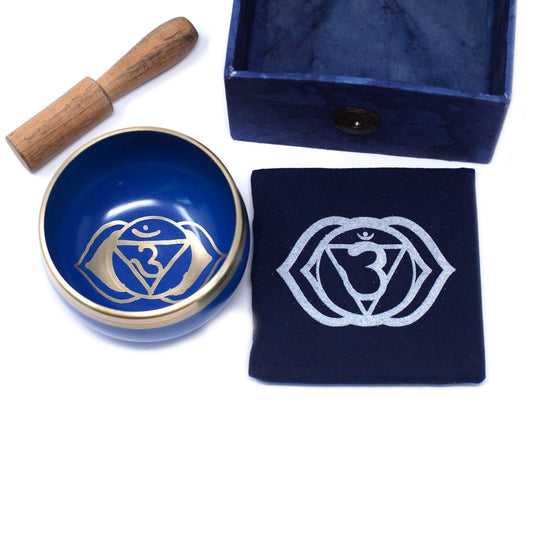
    • Third Eye Chakra: A Note
    • Crown Chakra: B Note 

  • What Are The Benefits?

    There are numerous benefits to playing a singing
    bowl. Singing bowls have the power to heal sickness, improve overall
    well-being, or target specific issues one might be experiencing. Here’s a
    general list of benefits that can be realized through playing a singing
    bowl. 

    • Chakra cleansing 
    • Promote relaxation 
    • Soothe illnesses and pain
    • Aid in reducing the pain caused by cancer treatment 
    • Reduce stress and anxiety 
    • Improve blood pressure and flow
    • Tool for anger management 
    • Create peace 
    • Improve the immune system
    • Boost overall well-being and contentment 
    • Remove negative energy from your home
    • Enhance sleep
    • Cleanse and charge crystals
    • Heighten clarity of mind and intuition
  • How To Play

    Playing a singing bowl can evoke different emotions, but how to achieve these states? Various methods exist for all skill levels. Focus on striking and rimming for beginners. These are the most common techniques for using a singing bowl. Avoid more challenging methods like the "Wah Wah" technique. Use a mallet or striker on a stable surface.


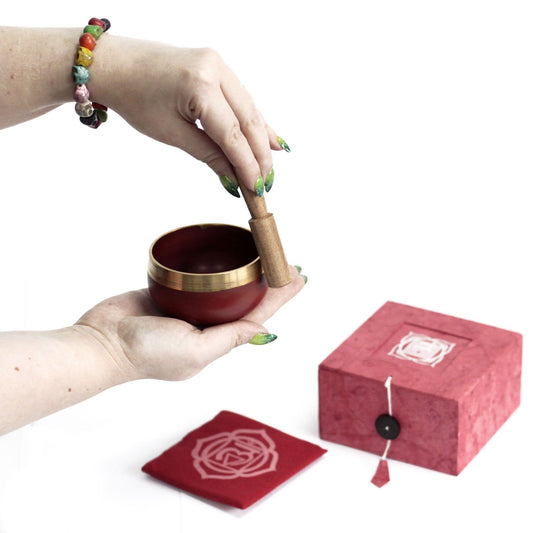
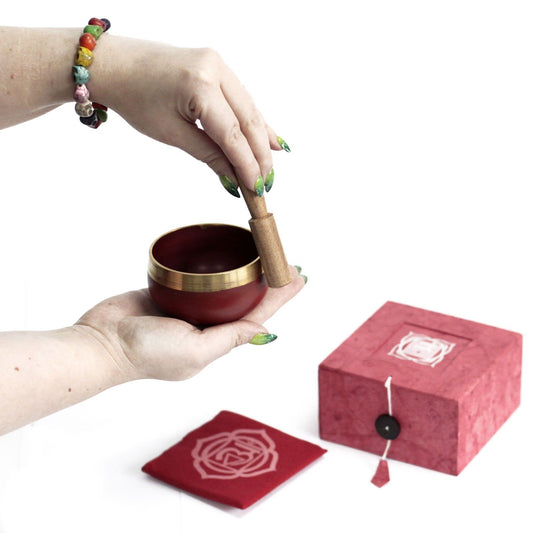
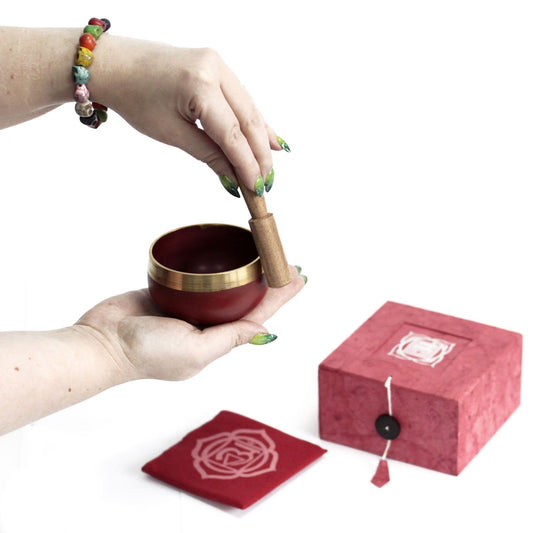
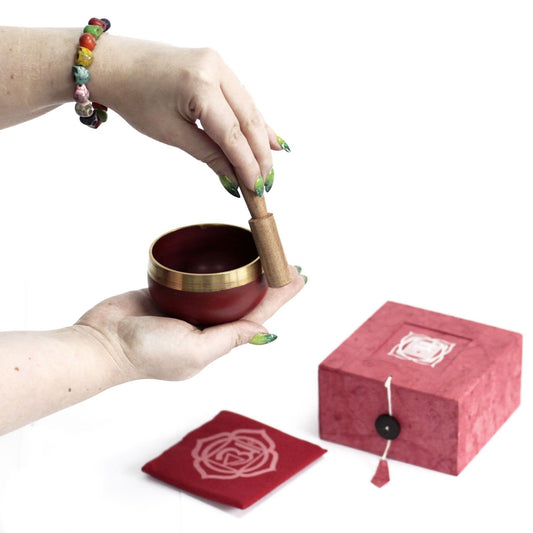
    The striking method is straightforward. With a wooden or felt-padded striker, gently hit the side of the bowl. A wooden striker yields a high-pitched, metallic sound, whereas a felt-padded mallet produces a softer, warmer tone. Avoid striking too forcefully to prevent damage or tipping. For stability, use a cushion, ring, or mat under the bowl, or hold it in your non-dominant hand, ensuring it rests on the flat of your palm. Remove any rings or avoid contact with the bowl to prevent unwanted noise.

  • History of the Singing Bowl

    Authentic singing bowls from Buddhist regions like Tibet, Nepal, and India. Historical ties to Buddha Shakyamuni. Used in religious activities, meditation, and ceremonies across Asia.

  • Singing Bowls Today

    Singing bowls are linked with sound therapy, aiding in achieving a healthier mental and physical state. They are gaining popularity for treating anxiety, depression, and stress disorders.s.